With the rise of diseases related to water-borne pathogens over the past two decades, regulatory agencies on the local, state, and even federal level have placed increased onus on building owners and managers to protect against these pathogens in their facilities. In the past, having a proper Water Management Program (WMP) would have been considered a “good practice” for keeping water systems safe. Now, it has become a requirement for some facilities.
It is important for those who own or manage buildings to understand the requirements for operating the water systems in their buildings. It varies by city, state, industry, HVAC equipment, and size of building. Clarity Water Technologies strongly recommends you work with a qualified water treatment consultant to understand the requirements for your facility and ensure you have a comprehensive, compliant Water Management Program in place.
NOTE: This article provides some background on Legionella and related regulations, as well as a high-level overview of Water Management Programs. It is not meant to be a comprehensive guide. Consult with a qualified water treatment professional or refer to the CDC’s toolkit when creating a Water Management Program.
What is Legionella and Legionellosis?
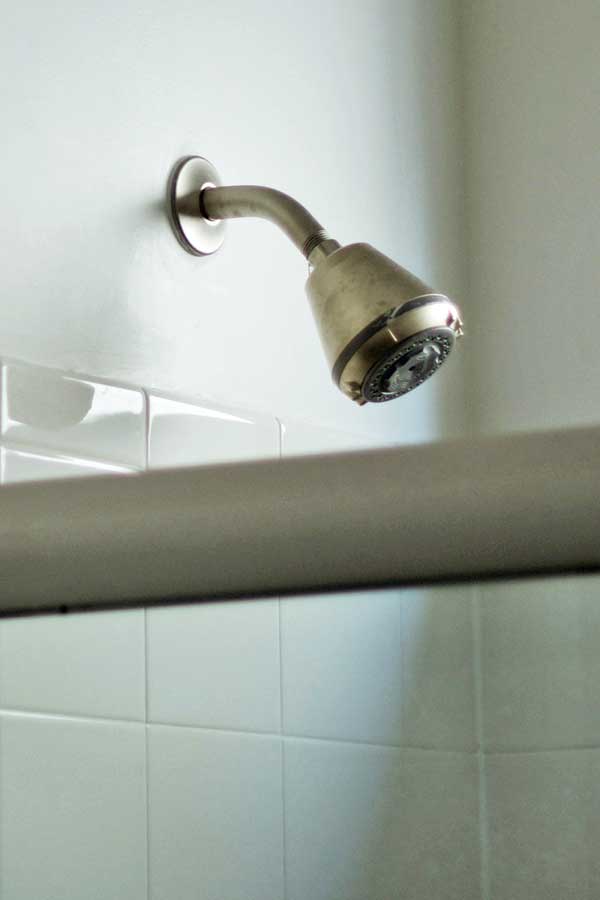
Legionella bacteria lives and grows naturally outdoors in water and soil, but can also live in buildings. If not controlled, Legionella can thrive in warm water systems like cooling towers, decorative fountains, hot tubs, whirlpools, and hot potable water systems. Mist or vapor contaminated with the bacteria can travel through the air and enter the lungs.
Legionellosis is any illness, including Legionnaires’ disease and Pontiac fever, that is caused by exposure to Legionella. People with compromised, underdeveloped, or suppressed immune systems – the very young, the elderly and those who may already be ill – can be at extreme risk from legionellosis.
The first cases of Legionnaires’ disease date back to 1976 when a group attending an American Legion convention at a hotel in Philadelphia became ill with severe pneumonia. This puzzling outbreak made headlines as 29 people died from lung infections after contracting this disease. It was determined that the sickness, dubbed Legionnaires’ disease, was caused from breathing in Legionella bacteria from inside the hotel.
Regulations for Preventing Legionnaires’ Disease
The Center for Diseases Control (CDC) shows that the number of reported cases of Legionnaires’ disease have increased significantly since 2000.# This has prompted various government agencies and professional organizations to issue guidance, and even put forth regulations, on controlling Legionella risk in water systems.
- American Society of Heating, Refrigerating, and Air Conditioning Engineers (ASHRAE) Standard 188: This was passed in June 2015, outlining risk management steps to prevent Legionella contamination of building water systems and making them standard practice throughout the US.
- New York City and New York State Cooling Tower Laws: During the summer of 2015, one of the largest Legionella outbreaks in US History happened in New York City with 138 cases and 16 deaths linked to a single cooling tower in the South Bronx. This prompted legislation and regulation on the monitoring, treatment, and testing of cooling towers throughout New York City and state.
- CDC Toolkit: In 2016, the CDC issued a toolkit, Developing a Water Management Program to Reduce Legionella Growth & Spread in Buildings, as an easy to understand interpretation of Standard 188. It details the seven key elements of every Water Management Program.
- Centers for Medicare and Medicaid Services (CMS) Requirements for Healthcare Facilities: In 2017 the CMS issued requirements that healthcare facilities must complete risk assessments and implement Water Management Programs and testing protocols.
- New Jersey Bill 2188: The state of New Jersey passed NJ Bill 2188 on September 12, 2024. It provides new requirements for public water systems and many facilities and buildings across the state, with the goal of preventing and controlling Legionnaires’ disease.
The common theme with these regulations and standards boils down to this: the best protection against Legionella growth in your water systems is a well-designed Water Management Program that is regularly verified and validated.
What is a Water Management Program?
- Identifies building water systems for which Legionella control measures are needed
- Assesses how much risk the hazardous conditions in those water systems pose
- Applies control measures to reduce the hazardous conditions, whenever possible, to prevent Legionella growth and spread
- Makes sure the program is running as designed and is effective
- Establish a Water Management Program Team: Who is responsible and qualified to oversee and execute the program?
- Diagram the Water Flow in All Buildings: An easily understood flow diagram for every water system in your building(s).
- Identify the High-Risk Areas: Where is there risk for bacteria growth?
- Determine Control Measures: What monitoring needs to take place at these risk areas?
- Establish Actions When Outside Control Limits: What is the response/reaction when control falls out of range?
- Ensure the Program is Effective: Verification (are we doing what we said we would do?) & Validation (is it working?)
- Document Everything: Keep detailed, accurate records.
Who Needs a Water Management Program?

While it is good practice for all facilities to have a Water Management Program in place for its water systems, the current regulations that make it a requirement generally apply to three types of facilities:
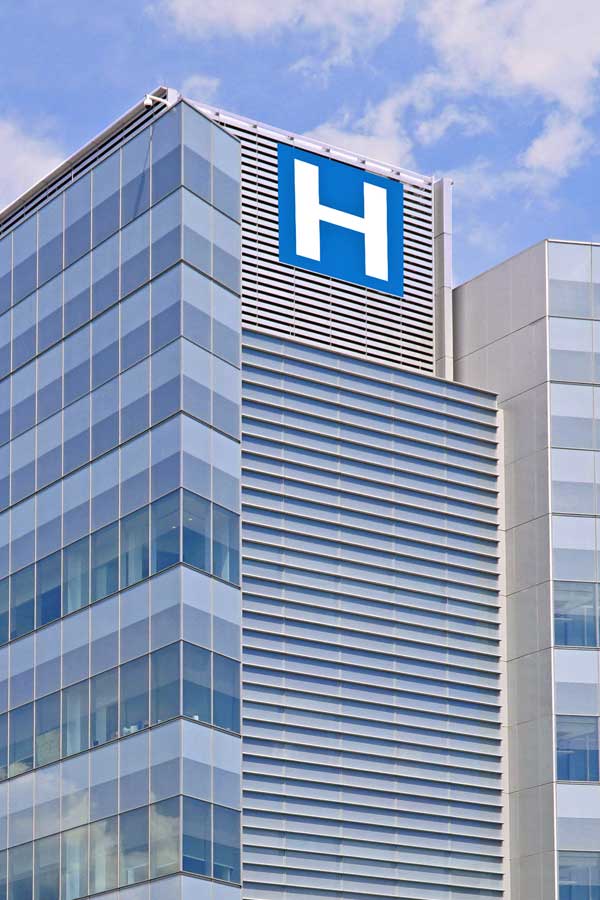
- Healthcare Facilities: CMS requires this of all their facilities, as per their 2017 memo. This applies to any healthcare location that accepts Medicare or Medicaid or has overnight stays, such as hospitals, nursing homes, assisted living and rehab facilities.
- Buildings with Cooling Towers: This is a requirement for some cities and states, such as New York City, New York state, and New Jersey.
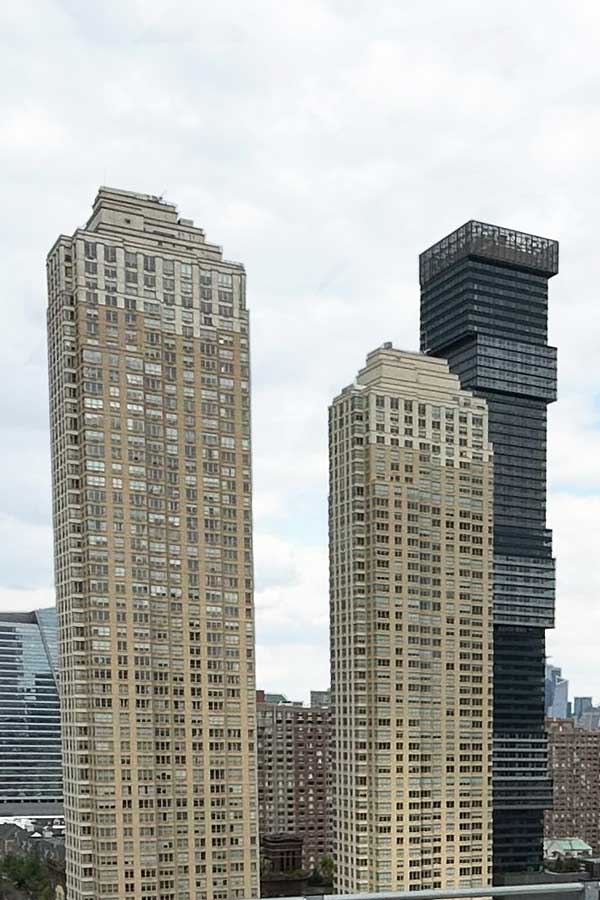
- Tall Buildings with Recirculating Hot Water Systems: In some cities and states (again, New York City, New York state, and New Jersey), this would include hotels, large commercial buildings, apartment complexes, etc. In New Jersey, the laws apply to buildings that are 6+ stories.
While the above is a general guide, you should work with a qualified water treatment consultant or refer to local, state, and federal legislation to determine if there are requirements for your facility.
Can You Create and Implement Your Own Water Management Program?
As mentioned earlier, the CDC has a toolkit on their website that details how building owners can create their own Water Management Program. However, whether or not you can do so on your own largely depends on two things: the complexity of your water systems and the expertise on your staff.
Depending on your facility, creating a Water Management Program can vary wildly in scope and complexity. For example, a two-story office building with a small cooling tower is very different from a 1,000-bed university hospital with multiple cooling towers and a 15-story patient tower. The office building could have a four-person WMP team while the hospital could have a 20-person team. The office building could have one small water flow diagram detailing the cooling tower loop with a few control measures, while the hospital could have a dozen diagrams with a myriad of control measures for each.
To create and implement your own Water Management Program, you will need to identify members of the team who have detailed knowledge of the facility’s water systems. They will need to know things like control locations and control limits, and will need the ability to monitor and document program performance, identify potential issues, and take corrective actions. This would often be maintenance or engineering employees or safety officers, but could also include contractors and consultants.
Need an Expert? Clarity Can Help!
Building owners and managers must understand the requirements, if any, for operating the water systems in their facilities. A qualified water treatment company like Clarity Water Technologies can help you understand any local, state, and federal regulations that may be applicable to your buildings.
If you feel your team has the expertise to create and run an effective and compliant Water Management Program for your facility, we recommend you use the CDC Toolkit as your guide.
If your team needs outside expertise, especially when creating a program for complex water systems, Clarity’s experienced team of water treatment consultants can provide the support you need! Clarity has worked with countless clients to guide, develop, and execute effective Water Management Programs for their facilities. Contact us today!
Download Our FREE eBook Today:
Ten Huge Mistakes Facilities Make in Boiler Operation and How to Avoid Them