
UPDATE: Governor Murphy signed NJ Senate Bill 2188 into law on September 12, 2024.
NJ Senate Bill 2188 requires owners and operators of specific buildings, facilities, and public water systems in New Jersey to adhere to new requirements aimed at preventing and controlling cases of Legionnaires’ disease. You can view NJ Senate Bill 2188 here.
As with any new bill of this length, there is a lot of information to assess. The purpose of this page is to help you become familiar with the NJ Bill 2188 and understand its potential impact.
Note: Clarity Water Technologies, LLC, is not affiliated with the state of New Jersey. The information below is Clarity’s interpretation of the bill. Please consult the bill directly to determine how it pertains to your water systems and facilities.
Clarity Water Technologies specializes in comprehensive industrial and commercial water treatment that includes expert consulting, cutting-edge chemistry, and a full service team that provides mechanical cleaning and water treatment maintenance services. Whatever your facility’s heating, cooling, potable or process application may be, our experts will create a custom water treatment solution for you!
VIEW OUR WEBINAR REPLAY:
NJ Bill 2188 and Water Management Programs
Learn from our water treatment experts about NJ Bill 2188 and what’s involved in creating a Water Management Program. Use the form below to register and receive access to the webinar video!
Note: You must register using your business email address.
By submitting this form, you consent to allow Clarity Water Technologies to store and process the personal information submitted to fulfill your request(s). We are committed to protecting and respecting your privacy, and will protect your personal information in accordance with our Privacy Policy.
FREE WEBINAR: NJ Bill 2188 and Water Management Programs
Learn from our water treatment experts about NJ Bill 2188 and what’s involved in creating a Water Management Program. Join us live for a 20 minute review and Q&A!
Two webinar sessions are available:
Thursday, May 8 (noon EST)
Friday, May 16 (9:00 AM EST)
Can’t join us live? A video replay will be made available to all registrants.
Note: You must register using your business email address.
By submitting this form, you consent to allow Clarity Water Technologies to store and process the personal information submitted to fulfill your request(s). We are committed to protecting and respecting your privacy, and will protect your personal information in accordance with our Privacy Policy. You also consent to Clarity using your information to register you for the selected webinar and send related communications. This webinar will be hosted on Microsoft Teams, and your name and email may be shared with Microsoft to complete the registration.
Keep up-to-date on NJ Bill 2188!
Sign up here to receive email updates from Clarity on any changes to the bill!
By submitting your email, you consent to receive emails from Clarity about NJ Bill 2188, Clarity’s services, and other marketing information.
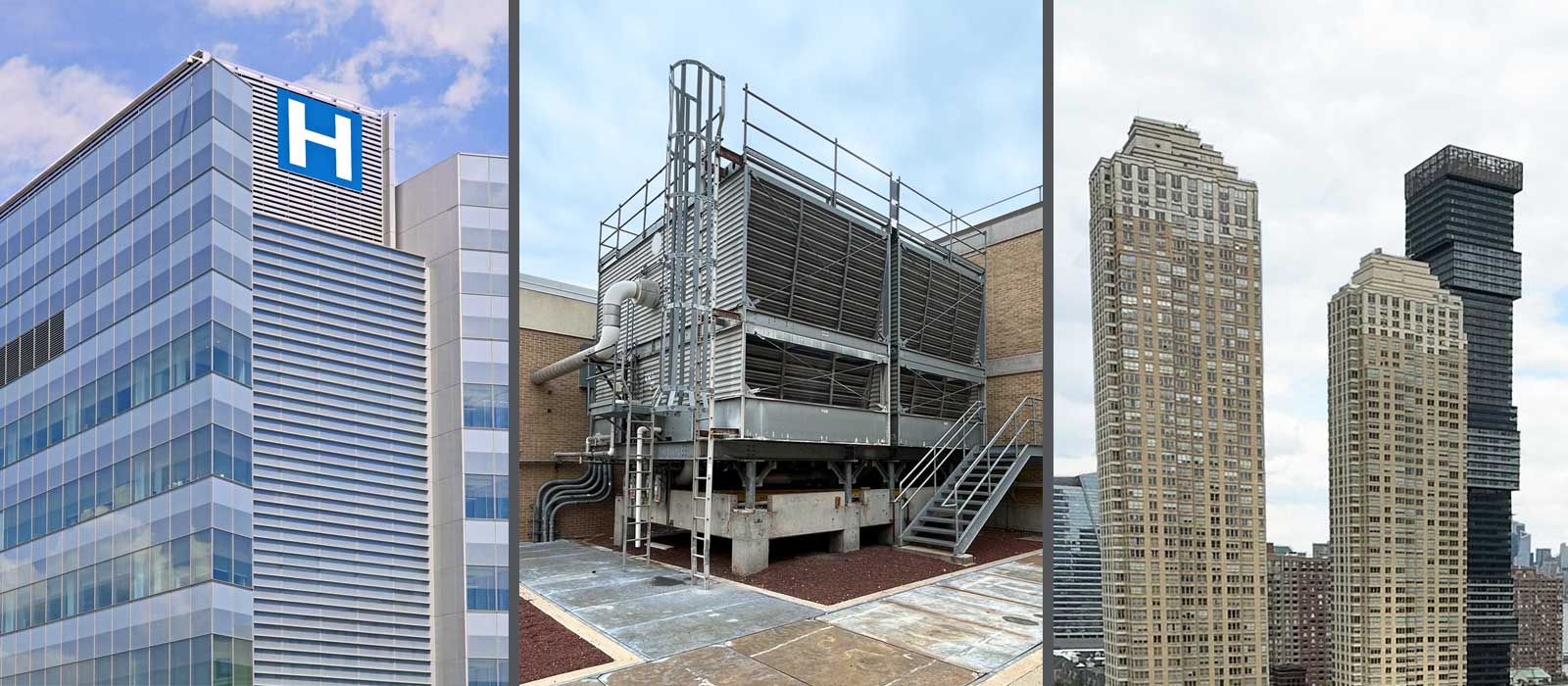
Bill 2188 lists the specific buildings and water systems in New Jersey that fall within its scope.
Public Community Water Systems:
Buildings and Facilities:
You may need to take specific measures to ensure you are compliant with all new requirements:
Note: This section summarizes information from NJ Bill 2188 for public community water systems. Please consult the bill directly for all information and requirements.
Owners or operators of a public community water system with 100 or more service connections need to ensure their water systems always maintain at least 0.3 ppm of free chlorine or 1.00 ppm of monochloramine in all the points of the distribution system. Specifically, the bill states they must maintain:
The bill states that the Department of Environmental Protection (DEP) will create a set of best management practices for public community water systems and publish them to the DEP website no later than September 12, 2025. The DEP will also adopt rules and regulations that establish requirements for public community water systems. Once the DEP publicly finalizes these rules and regulations, owners and operators of public community water systems will have 6 months to develop and implement a compliant distribution system maintenance plan.
NJ Bill 2188 also requires owners and operators of public community water systems to report any disruption of their system. The bill also details the course of action for each reported diagnosis of Legionnaire’s disease in the state. Refer to the bill for specific information on these requirements.
Note: This section summarizes information from NJ Bill 2188 for buildings and facilities. Please consult the bill directly for all information and requirements.
If you own or operate a building or facility that falls within the scope of this bill, you need to ensure that a water management program is implemented to minimize the growth and transmission of Legionella bacteria in the water systems. The type of building or facility and its water systems may impact the requirements for the water management program. For example, a building with certain non-potable water systems or devices may only need to implement a water management program for the listed device and not for the entire building. Make sure to review the bill to understand the requirements for your specific facility.
NJ Bill 2188 also provides requirements for periodic sampling and testing for Legionella and other bacteria. All sampling and testing must be conducted in a manner that follows rules, regulations, and best practices from the Department of Health and ASHRAE Standard 188-2108.
A request may be made by the Department of Community Affairs, the Department of Environmental Protection, the Department of Health, or any other department or agency with license or inspection authority for that facility or building. Upon request, the owner or operator would need to make available the water management program and any related documentation on procedures and their implementation.
Failure to comply with the requirements in this bill can result in varying fines, depending on the violation.
Contact Our Water Treatment Experts and We’ll Be Happy to Answer Any Questions You May Have!
Whether you are impacted by the new law or you want to follow best practices for keeping your water systems safe, it is important to understand what’s included in a water management program. Check out our blog to learn about water management programs, what’s involved in creating one, and links to valuable resources.

Clarity’s water treatment experts will design a custom water treatment program that utilizes the most innovative water treatment technology for a safe, effective solution. Our approach starts with a full evaluation of your facility’s water systems to ensure the solution meets your specific needs. Your custom program will save you more money than it costs by improving the efficiency of your system and lowering your water and energy usage.
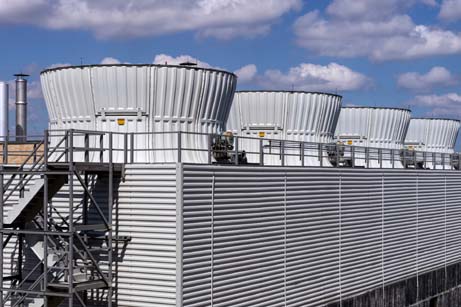
Prevent growth of harmful bacteria, improve the efficiency of your cooling system, and keep the metal surfaces of your cooling towers, chillers, heat exchangers, and piping from corroding and developing scale. Our EcoSAFE cooling tower treatment can achieve a 75% reduction of carbon footprint over traditional technologies.
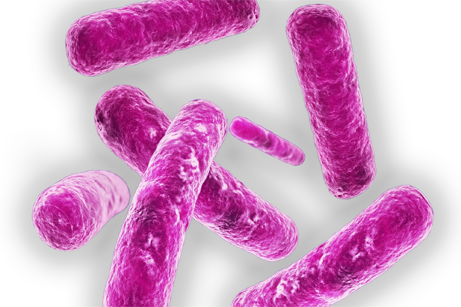
Undertreated water systems can breed harmful bacteria like Legionella. Minimize your risks and liabilities with Clarity’s comprehensive Legionella services. We’ll develop a prevention plan, administer your water treatment, and provide emergency response services if there is ever an issue.
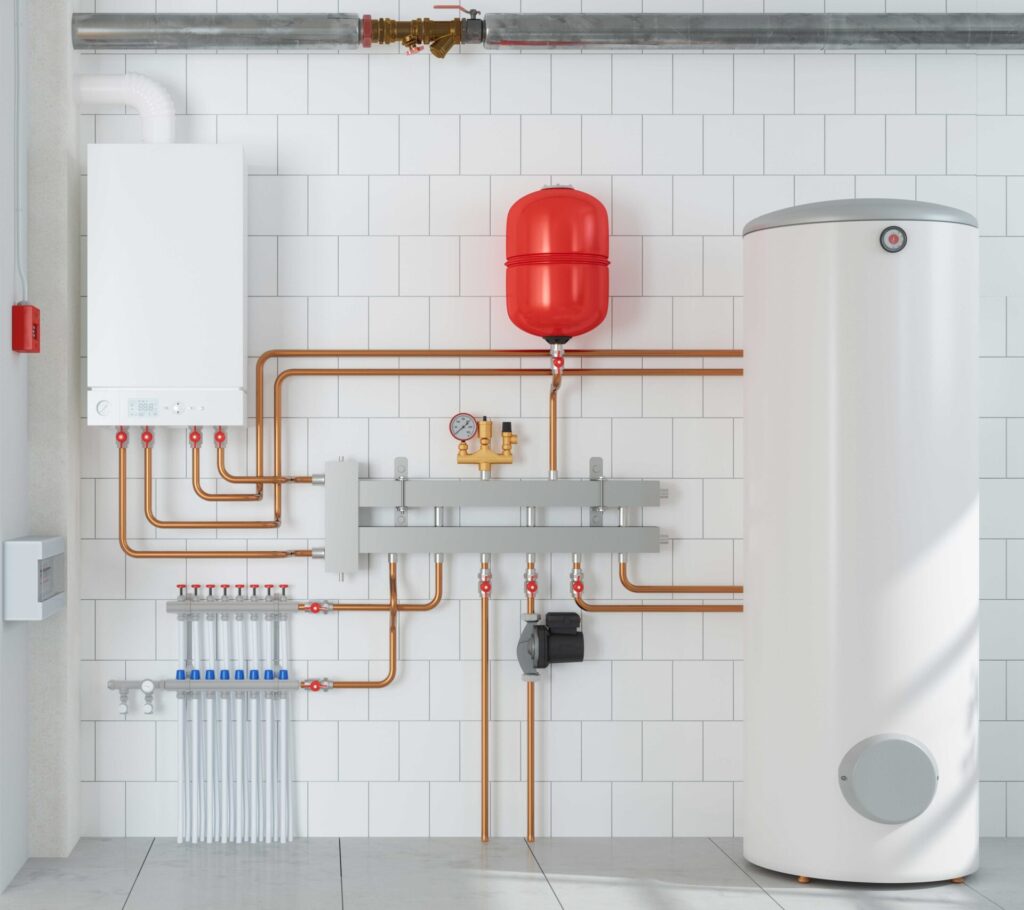
Whether they distribute heated or chilled water, closed loop water systems require proper water treatment to operate effectively and prevent corrosion, scale, and microbiological growth.

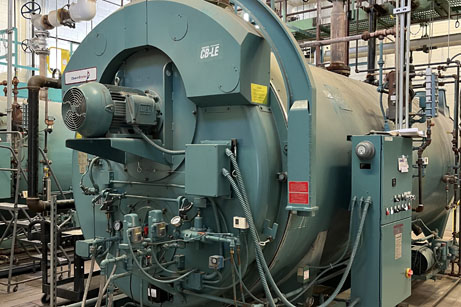
Protect your steam system from scale and corrosion, optimize boiler efficiency, and save on energy and water costs. Our eco-friendly EcoSHIELD chemistry, the most advanced boiler water treatment technology available, bonds with the metal surfaces of steam systems to form a protective barrier.
